The Reality of Modern Care: What Today’s Clinicians Want Pharmaceutical Marketers to Understand
BlogsMonday Mar 16, 2026
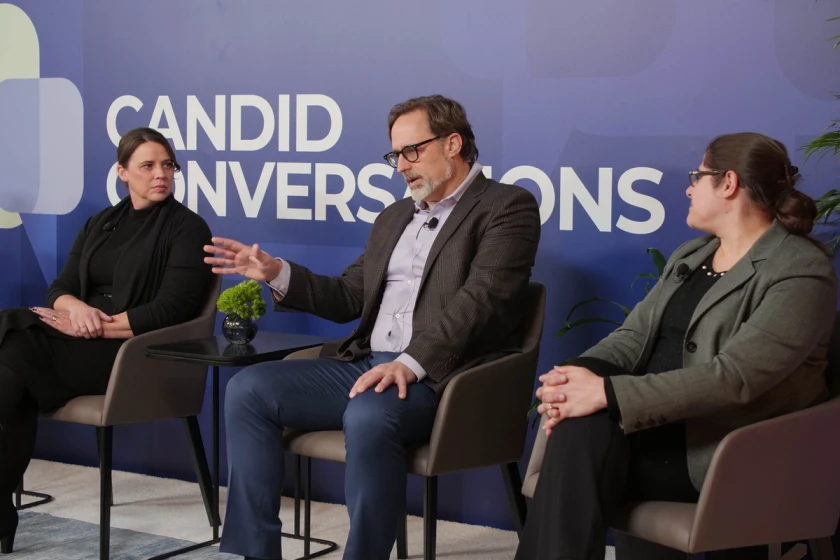
Healthcare decision-making is evolving faster than most marketing strategies.
Patients are arriving at appointments with more information than ever before—drawn from social media, artificial intelligence (AI) tools and online communities. At the same time, care teams are expanding, clinical visits remain tightly time constrained, and new therapies are entering the market at an unprecedented pace.
For pharmaceutical marketers, this raises an important question:
How can engagement strategies actually support care rather than contribute to information overload?
To better understand what clinicians need from pharma today, the Point of Care Marketing Association (POCMA) convened thirteen healthcare professionals—including physicians, nurse practitioners, physician associates, and pharmacists—for conversations about the realities of care delivery.
Their insights are captured in our latest eBook.
The eBook highlights how the healthcare landscape is changing and what pharmaceutical marketers can do differently to support clinicians, patients, and caregivers more effectively.

Why Clinical Reality Should Shape Marketing Strategy
One conclusion surfaced repeatedly throughout these conversations: healthcare has fundamentally changed.
Patients are more informed—but often more overwhelmed. Care delivery is increasingly collaborative. And clinicians must navigate these dynamics within extremely limited time during patient visits.
As POCMA President Nicole Divinagracia explains in the eBook’s introduction:
“Reaching patients, caregivers, and healthcare professionals in 2026 is no longer about presence alone—it’s about ensuring relevance, timing, and building trust with communications that meet patients where they are.”
For marketers, this means the most effective engagement strategies are no longer built around just reach. Instead, they must align with the real workflows, conversations, and pressures clinicians experience every day.
Key Takeaways for Pharmaceutical Marketers
The clinicians who contributed to this eBook shared several consistent themes that can help pharmaceutical marketers design more effective engagement strategies.
Patients are overloaded with information—not clarity.Patients are arriving at appointments having consumed information from social media, AI tools, and online communities. Healthcare professionals now spend significant time helping patients interpret what they’ve seen. The most valuable pharma education helps bring clarity and credibility—not more noise.
Trust is built through curiosity, not correction.Patients want their concerns acknowledged—even when the information they bring is incomplete or incorrect. Clinicians emphasized that leading with curiosity preserves trust and creates space for evidence-based guidance. Educational tools should support collaborative conversations rather than shutting them down.
Repetition across the care journey supports learning.Healthcare decisions rarely happen in a single visit, and patients often need to encounter information multiple times before it resonates. Message reinforcement across settings—from waiting rooms to exam rooms to pharmacies—helps strengthen understanding and confidence over time.
Care is delivered by teams, not individuals.Modern healthcare is increasingly team-based, involving physicians, nurse practitioners, physician associates, pharmacists, and care coordinators. Marketing strategies that focus only on reaching the prescriber risk missing other critical moments where patients ask questions and make decisions.
Generic education tools no longer work.Clinicians reported that dense brochures and one-size-fits-all materials often overwhelm patients during already time-constrained visits. Effective Point of Care education must be modular, visual, and tailored to the patient’s immediate needs.
Cost and usability are major drivers of adherence.Patients frequently abandon therapies due to affordability challenges or difficulty using medications. When these barriers go unaddressed, patients may quietly disengage from treatment. Marketers can help by normalizing conversations about cost and support programs early in the care journey.
AI is already shaping healthcare conversations.Patients increasingly arrive with AI-generated answers and expectations, while clinicians themselves are beginning to incorporate AI tools into decision-making. Pharma has an opportunity to support accurate, evidence-based information that helps elevate these conversations rather than compete with them.
The Opportunity for Pharma: From Promotion to Partnership
Taken together, these insights highlight an important shift for pharmaceutical marketing.
Healthcare professionals are not asking pharma to communicate less. They are asking pharma to communicate differently.
The engagement strategies that resonate most with clinicians today are those that:
- Fit naturally into clinical workflows
- Support conversations between patients and providers
- Provide clear, practical education rather than generic information
- Recognize the full care team involved in treatment decisions
In short, success increasingly depends on designing engagement around how care actually happens, not how marketing plans assume it does.
The brands that succeed in this environment will be those that listen first, design thoughtfully, and position themselves as partners in improving patient understanding and outcomes.
Continue the Conversation at the POC NOW Summit
The insights in this eBook are only the beginning.
We’ll explore these themes—and the broader future of Point of Care engagement— at the upcoming POC NOW Summit, where healthcare professionals, pharmaceutical marketers, media leaders, and industry experts will come together to discuss the evolution of Point of Care marketing. Attendees will discuss:
- How care teams are evolving across specialties and settings
- What clinicians actually find useful from pharma engagement
- How education can better support patient understanding and adherence
- Where Point of Care fits within modern healthcare media strategies
If you're looking to turn insights like these into practical strategies, the POC NOW Summit offers an opportunity to learn directly from clinicians and industry leaders shaping the future of healthcare marketing.
👉 Register today to join the conversation and gain more insights into how education at the Point of Care can support better outcomes for patients and providers alike.
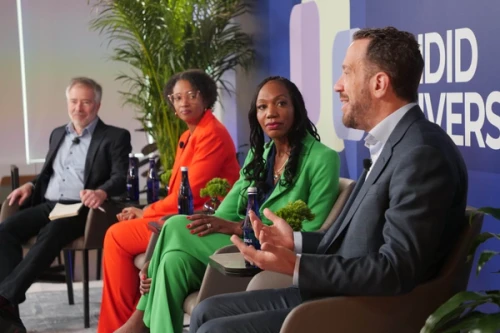
Additional Resources from Candid Conversations
Read the following articles if you’d like to go deeper on any of these topics referenced above:
- 8 Things Healthcare Professionals Want Pharmaceutical Marketers to Know in 2026
- Care Is a Team Sport: What Happens After the Prescription Is Written
- How to Build Trust with Patients: What Healthcare Professionals Say Actually Works at the Point of Care
Interested in attending our next Candid Conversations event? Express your interest here.