How patients access medical information and how healthcare providers deliver care is ever-evolving, perhaps more so than ever before with the proliferation of new technologies like Artificial Intelligence (AI). The sheer volume of health data available to patients and providers today means that healthcare decisions rarely happen in a single, isolated interaction. Instead, they’re scattered across a complex journey of moments surrounding provider visits. And it’s the pharma marketer’s job to understand how to drive understanding and engagement amid that complex journey.
That’s why we’re so bullish on Point of Care (POC) - because it’s one of the few environments where patients and providers are processing information together, and where both groups are in a decision-making mindset to actively make care decisions.
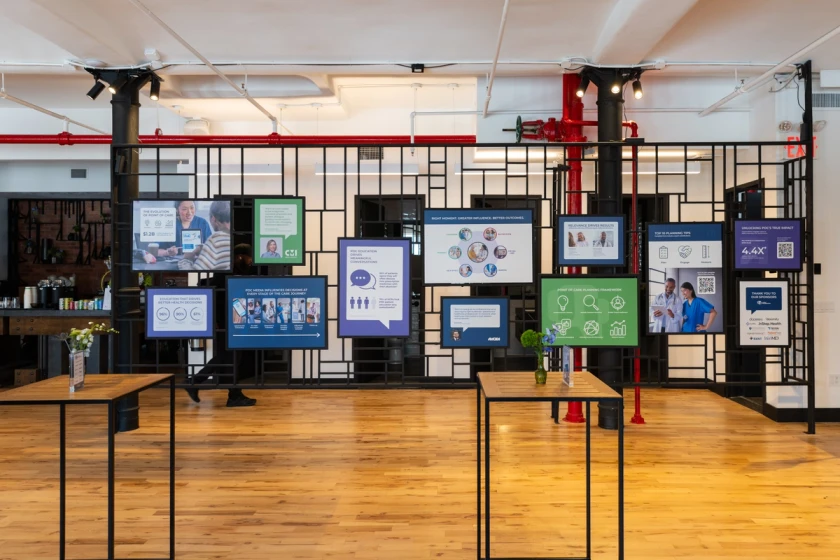
To better equip pharma marketers to reach patients and providers in the moments that matter, we recently hosted a gathering of influential voices from across the healthcare landscape—including patient advocates, healthcare providers, and leading media strategists—to explore how Point of Care (POC) media can directly influence shared decision-making and deliver measurable impact.
The headline from our event? POC is the connected ecosystem pharma brands need to break through to patients and providers with relevant education that can drive better health outcomes.
POCMA President Nicole Divinagracia elaborated in her opening remarks, "Point of Care is not just one media channel, it's not just one POC setting, it is this connected ecosystem that reaches patients, providers, and caregivers in the moments immediately before, during or right after they have that interaction with their healthcare provider."
The data firmly supports the power of this ecosystem. Currently, 90% of patients find education at the Point of Care important to understanding their health*. Furthermore, 75% of physicians who have their treatment decisions influenced by patient requests find Point of Care patient education useful**. When patients are engaged effectively in these clinical environments, 61% are willing to ask their doctor about a medication they saw or heard advertised at the Point of Care*.
To build campaigns that truly harness this influence at the POC, pharmaceutical marketers must move beyond a tactical mindset and embrace a strategy grounded in the realities of care.
Here are the key insights from the event that can help you design more effective, empathetic, and integrated Point of Care plans.
Designing for Real Patient Needs
Any effective Point of Care strategy must begin by acknowledging the immense emotional weight patients carry when navigating the healthcare system. To understand where a patient's mindset is when they arrive to healthcare settings, we tapped two patient advocates who shared their lived experiences facing severe, life-altering diagnoses.
The Overwhelming Reality of Diagnosis
For many patients, the time between a diagnosis and the start of treatment is clouded by fear, confusion, and an overwhelming sense of helplessness. Patients often lack the foundational medical literacy needed to navigate complex treatment pathways.
Mark Herzlich, a former New York Giants Super Bowl Champion and bone cancer survivor, highlighted this vulnerability. Looking back on his diagnosis of a rare Ewing sarcoma at age 21, he shared, "I didn't know what I didn't know. I had no idea what questions to ask."
For marketers, Mark’s sentiment is a critical reminder that patient education must bridge the gap between complex clinical data and basic human understanding. Patients aren’t looking for exhaustive, cellular-level explanations of how a drug works during their initial moments of shock; they’re looking for immediate, actionable steps and a glimmer of hope.
Herzlich emphasized the profound importance of messaging that allows patients to envision a positive outcome, noting that "every patient needs to truly believe that they are that one [who can have a positive outcome], regardless of what the percentiles look like." Hope, delivered through real survivor stories and clear guidance, is a potent tool for patient activation.
The Power of the Care Team and the "Quarterback"
The modern care journey, especially with complex disease, is rarely a solitary endeavor; it requires a coordinated team of specialists, nurses, and family members. Effective Point of Care campaigns must also recognize the collaborative nature of treatment.
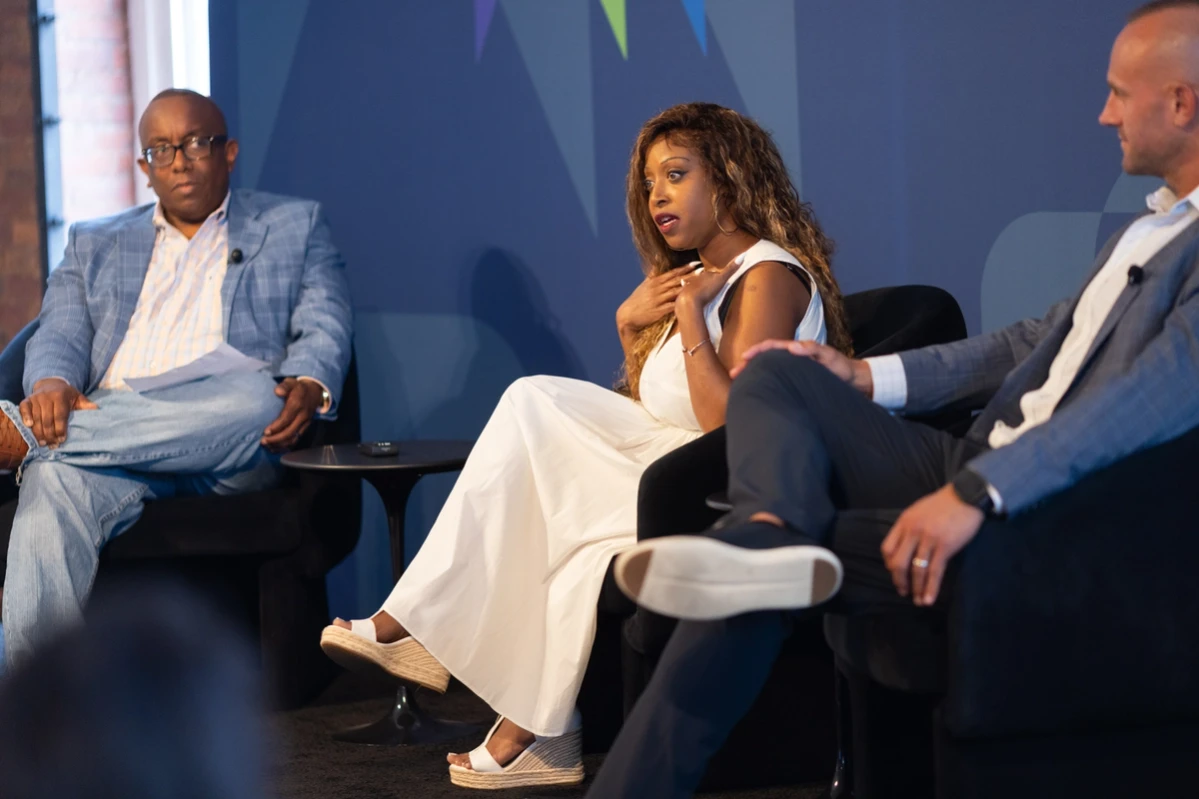
Shamekka Marty, Founder of Beyond the Game Health and a patient advocate personally managing 14 different autoimmune conditions, spoke to the necessity of having a strong clinical advocate. "I had my rheumatologist as my quarterback. He was the one advocating for me. If I needed somebody to call a play, I called him."
Marty also stressed that healthcare brands frequently miss the mark by focusing marketing materials solely on the individual patient, rather than acknowledging the broader support system required for chronic illness management. She advised marketers to shift their perspective, "Replace ‘I’ with ‘we’ and include the entire family when you're doing the marketing."
Strategic Takeaways for Patient Engagement
To design for real patient needs, marketers should:
- Leverage Simple Messaging: When patients are navigating a terrifying diagnosis, they need practical guidance over dense clinical data. Rather than relying solely on complex efficacy charts, give patients practical, day-to-day tips they need to feel a sense of control—or as Herzlich described them, "little cheat codes" for navigating the treatment process.
- Lead with Education, Not Promotion: Patients in POC environments are often navigating uncertainty. Deliver credible, relevant content that helps them feel informed and prepared.
- Optimize for the Environment: Tailor creative messaging to specific settings. A waiting room requires different messaging—such as custom condition guides or digital screens—than an exam room wallboard.
- Target Moments of Decision: Map the care journey from diagnosis to adherence before building a plan, ensuring the campaign is engineered around real moments of action.
- Market to the Entire Care Team, Including Patients, Providers and Caregivers: The modern care journey is a collaborative effort, and campaigns must acknowledge the heavy burden placed on a patient's immediate community. Rethink creative representations to be more inclusive of caregivers, as managing a patient's condition often necessitates a village of support.
Inside the Provider Mindset
While empowering patients with the right resources is crucial, so is reaching and engaging the healthcare professionals (HCPs) who serve them. And, just like patients, HCPs are operating under their own strained realities. They face severely limited time, heavy administrative burdens, and growing patient complexity.
The 15-Minute Window and Contextual Clarity
To better understand what HCPs want at the POC, we sat down with two of them. And to start, they shared that providers often have only 15 to 30 minutes to review patient history, address immediate concerns, and formulate a treatment plan. That’s its own form of information overload, and marketers need to be mindful of this when messaging to HCPs.
Dr. Sanjay Juneja, a Hematologist and Medical Oncologist, explained that because providers are bombarded with information and drug names, marketers must rethink how they structure their messaging. The key to breaking through the noise is immediate contextualization.
"[Marketers should] think to [themselves], am I contextualizing [my offering] as early as possible? So [that] it's not lost in a sea of words, but it actually [speaks to] the clinical scenario [that] matters."
If an advertisement (i.e. a digital EHR message) does not immediately frame the specific clinical scenario—such as the exact patient profile or disease state—before introducing the drug mechanism, it will simply be ignored in the rush of clinical duties.
Working Backwards to Build Trust
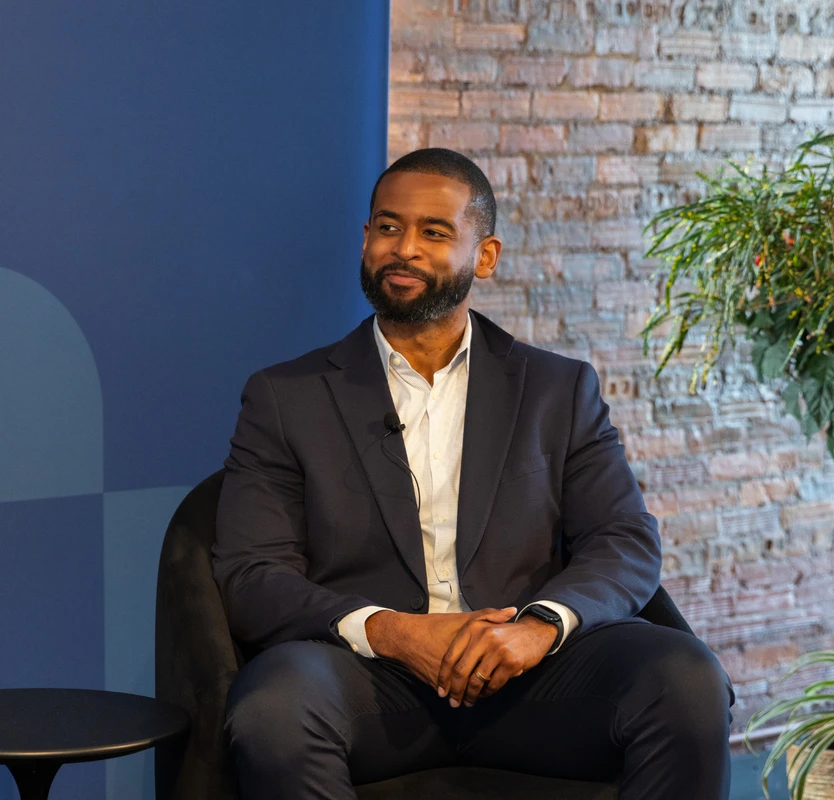
Philip Jocelyn, MS, PA-C, an Associate Chief Advanced Clinical Provider, echoed the need for extreme relevance and situational awareness when messaging at the POC. He noted that when dealing with anxious patients, the first priority is establishing rapport and trust. Marketers should adopt a similar mindset when designing resources for both providers and patients.
Jocelyn offered a strategic framework for campaign development: "The way I like to approach any problem [is to] work backwards - think about what your intended impact, your intended message, what you want the person, whether it's provider or patient, to leave with, and put yourself in their shoes."
The AI Factor and the Necessity of Education
Additionally, the proliferation of Artificial Intelligence has fundamentally shifted the baseline of patient knowledge. Patients are increasingly arriving at appointments with information sourced from LLMs (Large Language Models) and social media—some of it accurate, but much of it flawed or incomplete.
Providers now spend significant portions of their limited visit time correcting misinformation or explaining why a specific therapy is not appropriate. Dr. Juneja emphasized that this makes high-quality, pharma-backed education at the Point of Care more critical than ever.
"There is no medicine without education," he asserts.
Strategic Takeaways for HCP Engagement
To effectively support providers, marketers should adhere to the following principles:
- Bridge HCP and Patient Engagement: Coordinate messaging across touchpoints and work from the exam room back so that the patient and the provider are receiving aligned information, reinforcing continuity.
- Avoid Generic Tools: Dense, one-size-fits-all brochures overwhelm both patients and time-constrained HCPs. In fact, 64% of physicians state they would provide more patient materials if they were customized**.
- Integrate, Don't Interrupt: For providers, effective POC means embedding tools into the systems where decisions actually happen, such as EHR and e-prescribing platforms.
- Educate, Educate, Educate: Providers are spending increasingly large portions of their short patient visits correcting misinformation sourced from social media and unvetted AI tools. Providing accurate, easy-to-digest educational materials is no longer optional for pharma brands - there’s no medicine without education.
- Contextualize Immediately: Because providers are navigating immense information overload, generic brand messaging quickly becomes background noise. Marketers must frame the specific clinical scenario before presenting the therapy. Pegging the exact patient profile, for example, at the beginning of the message ensures the provider can instantly recall the solution when faced with that specific scenario in the exam room.
Learn more about what providers want from pharma here.
Excellence in Action: Award-Winning Campaign Strategies
All of these tips are helpful in theory, but tangible execution is best illustrated by examining campaigns that have successfully navigated the complexities of the POC ecosystem. So we highlighted three distinct approaches brands took to drive measurable impact at the POC.
Havas Media Network’s Multicultural Campaign: Empowering Through Cultural Intelligence
Taylor Wexler, Director of POC Investments at Havas Media Network, presented a winning multicultural campaign for Beyfortus, a prescription medicine used to help prevent a serious lung disease caused by Respiratory Syncytial Virus (RSV) in Newborns and babies under 1. The core challenge was increasing RSV awareness and confidence among new and expectant Hispanic mothers.
The strategy moved beyond simple translation, focusing instead on deep cultural relevance and sustained, year-round education—even outside of the traditional RSV season. By placing individualized, in-language messaging in high-volume Spanish-speaking family practices and community health centers, the campaign dramatically improved comprehension and reduced anxiety.
Wexler established a clear directive for future planning, "Continuous culturally intelligent messaging will always set a new benchmark for equitable and high impact Point of Care strategy."
Learn more about the campaign here.
CMI Media Group’s Branded Campaign: Turning Preference into Prescription
Deborah Jackubicki, VP of Engagement Strategy at CMI Media Group, detailed the success of a recent campaign for Orgovyx, a therapy used in adults to treat advanced prostate cancer. The brand faced a significant awareness deficit; while it offered the only oral option in its class for advanced prostate cancer, patients simply did not know to ask for it.
The campaign succeeded by coordinating a highly targeted, omnichannel approach. It prepped patients through pre-visit apps, educated providers via EHR platforms, and reinforced the message with exam room wallboards. This comprehensive ecosystem approach generated 1.7k new patient starts and engaged more than 10,000 HCPs.
Jackubicki highlighted the importance of clarity in clinical settings, "Even when it's cancer and it's a complex message, there are ways to simplify and to reach those patients in a unique way".
Learn more about the campaign here.
Phreesia Network Solutions’ Unbranded Campaign: The Power of Trusted Messengers
A recent collaboration between Phreesia Network Solutions and Sesame Workshop demonstrated the incredible impact of unbranded health education. Shanoor Seervai, Senior Manager of Partnerships & Publications at Phreesia Network Solutions and Nathaniel Nagy, Director of Social Media at Sesame Workshop, explained how they delivered critical pediatric health information to overwhelmed parents right at the moment of check-in.
By utilizing beloved Sesame Street characters to discuss topics like wellness visits and managing big emotions, the campaign immediately lowered defenses and built trust.
Nagy summarized the psychological mechanism behind the campaign's success, "How you deliver a lesson is just as important as the lesson itself."
Furthermore, Seervai touched on the broader philosophical impact of partnering with culturally resonant, non-clinical entities, "When we look to organizations outside of health care [to partner with on campaigns], we start to see patients as whole people again".
Learn more about the campaign here.
Putting It Into Practice for 2027
As pharmaceutical marketers and media agencies turn their attention to 2027 planning, the insights from Candid Conversations provide a clear, actionable roadmap for success. POC is no longer a single brochure in a waiting room; rather an integrated, omnichannel ecosystem spanning physical offices, digital portals, EHR systems, and virtual care environments.
To build smarter Point of Care plans, you must start with the people at the center of the journey. Design for the emotional realities of the patient. Respect the extreme time constraints and information overload burdening the provider. Deliver culturally intelligent, highly contextualized messaging that integrates seamlessly into the moments where healthcare decisions are actually made.
By aligning your strategy, creative tactics, and measurement protocols with the lived experiences of patients and providers, you can ensure your campaigns move beyond mere awareness and drive meaningful clinical outcomes.
*M3 MI’s 2026 MARS Consumer Health Study
**M3 MI’s 2025 Sources & Interactions + Digital Insights Study